
A quality sports watch is designed to handle everyday adventures—from surfing and swimming to hiking and traveling. However, even the most durable watch can suffer unnecessary wear if it’s not properly cared for.
The good news? Most watch damage is completely preventable.
In this guide, we’ll cover the ten most common mistakes people make and explain how a few simple habits can keep your watch looking and performing its best for years.
If you’re unsure what your watch’s water resistance rating actually means, be sure to read our guide What Does Water Resistance Really Mean? (30M, 50M, 100M & 200M Explained) before heading into the water.
1. Never Rinsing Your Watch After Saltwater
Saltwater doesn’t usually damage a watch immediately—but the salt crystals it leaves behind can.
Over time, salt can build up around:
- Buttons
- The case back
- The strap
- Buckles
After swimming in the ocean, simply rinse your watch with clean fresh water and dry it with a soft cloth.
It only takes a minute and can significantly extend the life of your watch.
2. Wearing Your Watch in Hot Showers
Many people wear their watches in the shower because they’re water-resistant.
However, hot water and steam are different from cool water.
Heat can gradually weaken the rubber seals that protect your watch, while soap residue may build up around buttons and straps.
It’s best to remove your watch before showering whenever possible.
3. Pressing Buttons Underwater
This is one of the easiest ways to let water inside a digital watch.
Unless your watch is specifically designed for underwater button operation, avoid pressing any buttons while it’s submerged.
Wait until the watch is completely dry before adjusting alarms, timers, or settings.
4. Leaving Sand on the Strap
Beach days are great for making memories—but not for leaving sand inside your watch strap.
Fine grains of sand can create unnecessary friction around buckles and moving parts.
After visiting the beach, rinse your watch thoroughly before storing it.
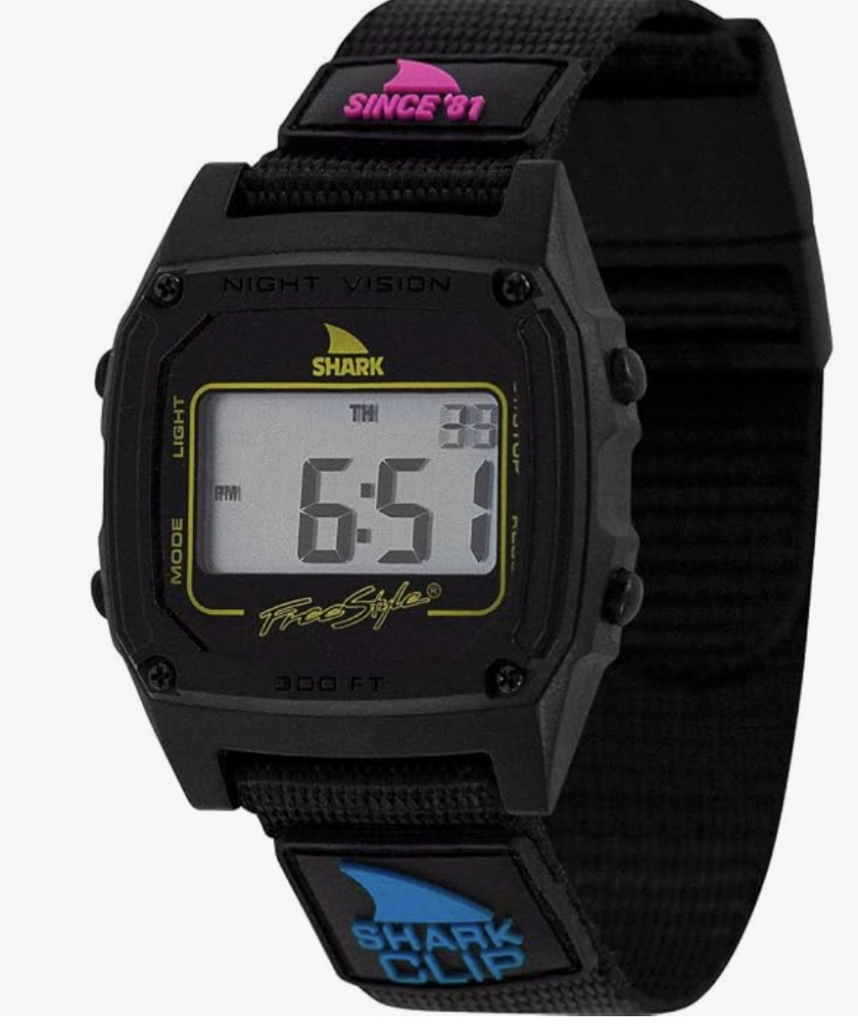
For everyday beach adventures, the Freestyle Shark Classic Primary is designed to be lightweight, comfortable, and easy to clean after a day by the water.
5. Ignoring Battery Replacement
Many people continue wearing a watch long after the battery has died.
A depleted battery can eventually leak, potentially damaging the movement inside the watch.
If your watch stops running, replace the battery as soon as practical.
6. Exposing Your Watch to Extreme Heat
Leaving your watch on a car dashboard during summer or in direct sunlight for hours isn’t a great idea.
Extreme temperatures may affect:
- Battery performance
- Rubber straps
- Plastic components
- Water-resistant seals
Whenever possible, store your watch in a cool, dry place.
7. Dropping Your Watch Repeatedly
Sports watches are durable—but they aren’t indestructible.
Repeated impacts can damage:
- The display
- Internal components
- Buttons
- The case
Treat your watch like any other piece of quality equipment.
8. Forgetting to Clean the Strap
Your watch strap collects:
- Sweat
- Sunscreen
- Salt
- Dust
- Skin oils
Cleaning it occasionally keeps it looking fresh and helps prevent unpleasant odors.
Warm water, mild soap, and a soft cloth are usually all you need.
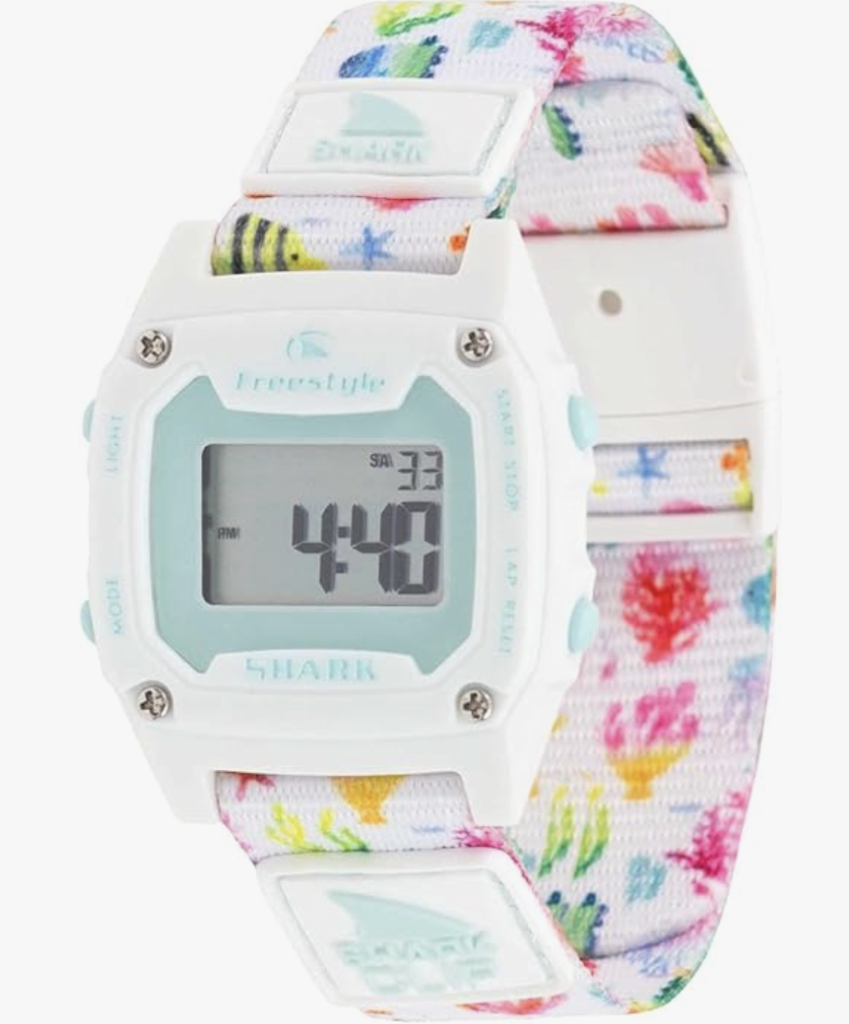
If you wear your watch every day, the Freestyle Shark Mini is a great option thanks to its lightweight design and comfortable fit.
9. Choosing the Wrong Watch for the Activity
Not every watch is designed for every situation.
If you regularly swim, surf, or paddleboard, choose a model with sufficient water resistance.
If you’re still unsure which type of watch best matches your lifestyle, check out our How to Choose the Right Shark Watch: A Complete Buyer’s Guide.
Buying the right watch from the start is one of the easiest ways to avoid unnecessary wear.
10. Forgetting That Watches Need Basic Care
One of the biggest misconceptions is that sports watches require no maintenance at all.
Fortunately, keeping your watch in excellent condition is simple:
- Rinse after saltwater use.
- Clean it occasionally.
- Avoid unnecessary impacts.
- Replace the battery when needed.
- Store it properly.
A few minutes of care every now and then can add years to the life of your watch.
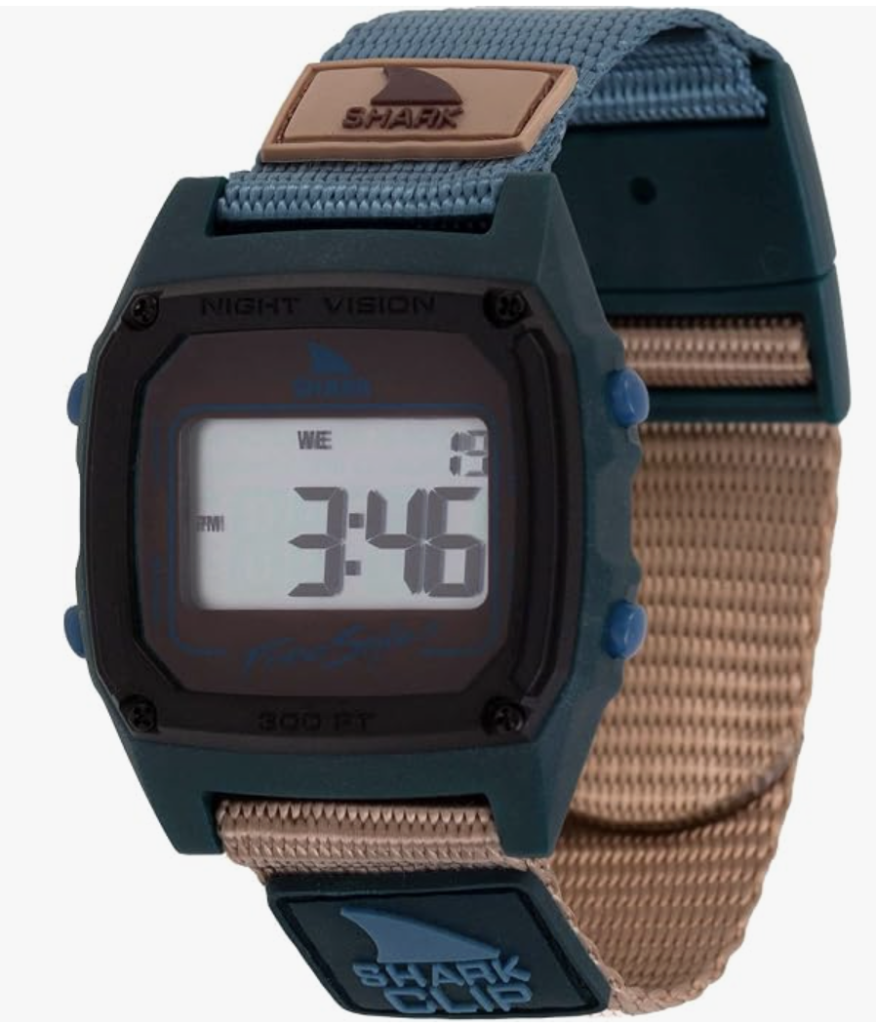
For active people who want a dependable everyday companion, the Freestyle Shark Classic Blackout Leash combines durability, lightweight comfort, and reliable performance for water sports and daily wear.
Final Thoughts
Your watch goes almost everywhere with you—through workouts, beach days, vacations, commutes, and everyday routines.
Fortunately, keeping it in excellent condition doesn’t require expensive maintenance or special tools.
By avoiding these ten common mistakes, you’ll help protect your investment and enjoy reliable performance for years to come.
In our next guide, we’ll show you How to Match a Watch With Your Style, helping you choose a watch that fits not only your activities but also your personality and wardrobe.
Frequently Asked Questions
How often should I clean my sports watch?
If you wear it every day, cleaning it once every few weeks—and rinsing it after saltwater exposure—is a good habit.
Can saltwater damage my watch?
Saltwater itself isn’t usually the problem. Salt deposits left on the watch can lead to premature wear if they aren’t rinsed away.
Should I wear my watch in the shower?
It’s generally better not to. Hot water, steam, and soap may shorten the lifespan of the watch’s seals.
How long should a sports watch last?
With proper care, a quality sports watch can provide many years of dependable everyday use.